Understanding Influencer Rate Cards and Their Importance in 2026
# Understanding Influencer Rate Cards and Their Importance in 2026

Image Source: pexels
An Influencer Rate Card gives you a clear menu of services and prices for social media campaigns. You use it to show brands what you offer and how much each service costs. This helps everyone know what to expect and makes you look professional. As influencer marketing grows—global spend reached $16.4 billion in 2022, jumped to $24 billion in 2024, and may pass $30 billion soon—rate cards become even more important.
Industry surveys show that rate cards help you negotiate faster by providing upfront pricing, clear service details, and saving time during brand comparisons.
You can use a rate card to build your personal brand and make sure you get fair pay. In 2026, these cards set the standard for clear, fair, and quick deals.
Key Takeaways
- An Influencer Rate Card acts as a professional menu, showing brands your services and prices clearly.
- Using a rate card builds trust and professionalism, making brands more likely to work with you.
- Regularly update your rate card to reflect changes in your audience and market trends.
- Use your rate card as a negotiation tool to set clear expectations and streamline discussions with brands.
- Include key metrics and services in your rate card to highlight your value and attract better deals.
Influencer Rate Card Overview

Image Source: unsplash
What Is an Influencer Rate Card
You use an Influencer Rate Card as a professional menu for brands. This card shows what you offer and how much each service costs. It helps brands see your value and makes your work look organized. You can include many details to help brands understand your services.
- Audience Demographics
- Engagement Metrics
- Services Offered & Deliverables
- Pricing Models
- Add-Ons & Extras
- Terms & Conditions
You can use this card to show brands your skills and your audience. You also make it easier for brands to compare you with other influencers. When you share your Influencer Rate Card, you show that you take your work seriously.
Purpose and Benefits
You gain many benefits when you use a rate card. Brands see you as a professional and trust you more. You set clear expectations, which helps avoid confusion. You also save time during negotiations because brands know your prices and services right away.
A well-structured rate card boosts your credibility and shows brands that you are serious about your work. This professionalism makes you a more attractive partner during negotiations.
You can see how brands view influencers who provide rate cards in the table below:
| Aspect | Explanation |
|---|
| Professional Image | Rate cards indicate that influencers understand their value and respect the brand's budget. |
|---|---|
| Negotiation Tool | They serve as a starting point for discussions, showing seriousness about partnerships. |
| Transparency and Trust | Clear expectations help build trust between brands and influencers, preventing misunderstandings. |
You also help brands budget better and make decisions faster. When you use a rate card, you show confidence and transparency. Brands feel more comfortable working with you because they know what to expect.
You can use your rate card to list your prices for different services. For example, the basic rate for Instagram feed posts is about $100 for every 10,000 followers. Most Instagram posts cost between $151 and $200. If you offer a combined package, like an Instagram post plus a Story, the price also falls within the $151 to $200 range.
A high-performing rate card gives brands clarity and confidence. You become a more organized partner, not just a freelancer. This helps brands make quick decisions and increases your value during negotiations.
Key Components and Pricing Factors
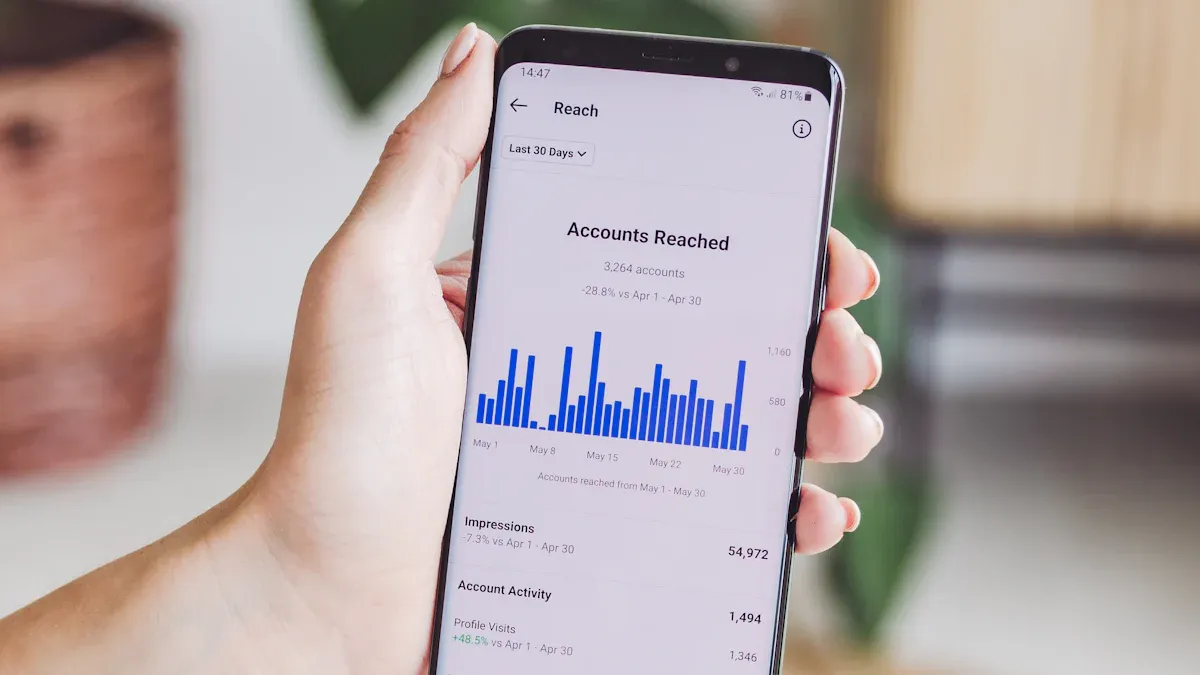
Image Source: unsplash
Services and Post Types
You can include many types of services in your Influencer Rate Card. Brands often look for a mix of content and extras. Here are some common services you might offer:
- Feed posts
- Stories
- Reels or short videos
- Usage rights for brands to reuse your content
- Exclusivity agreements that prevent you from working with competitors
- Whitelisting, which lets brands run ads from your account
- Content boost, where brands promote your posts with paid ads
- Fast turnaround for urgent requests
You should list each service clearly. This helps brands understand what they get and how much it costs.
Pricing Models
You can choose different pricing models based on your follower count and engagement. Micro-influencers and macro-influencers use different rates. The table below shows typical rates for Instagram feed posts:
| Influencer Type | Follower Count | Typical Rates for Instagram Feed Post |
|---|
| Micro-Influencers | 10K to 100K | $500 to $5,000 |
|---|---|---|
| Macro-Influencers | 100K to 1M | $5,000 to $50,000 |
You may also offer package deals, such as a feed post plus a Story. Brands often prefer bundles because they get more value.
Influencing Factors
Many factors affect your rates. You should consider these when setting prices:
| Factor | Description |
|---|
| Social Media Following | Larger followings increase value to brands, allowing higher charges. |
|---|---|
| Engagement Rates | Higher engagement indicates more interaction, leading to increased rates. |
| Niche | Some niches are more lucrative, affecting pricing. |
| Type of Content | Different content types (e.g., posts vs. campaigns) have varying costs. |
| Level of Experience | More experienced influencers can command higher fees. |
| Industry Standards | Rates can be influenced by prevailing market rates for similar influencers. |
| Audience Demographics | Understanding the audience helps brands assess campaign relevance. |
| Material Quality | Higher production quality can lead to increased fees. |
| Exclusivity | Content that requires exclusivity can raise costs. |
| Usage Rights | Negotiating rights for content can affect pricing. |
| Market Demand | Scarcity of influencers can drive up rates. |
| Campaign Complexity | More complex campaigns typically incur higher costs. |
Audience demographics play a big role. If your followers have high disposable income or align with luxury brands, you can charge more. You should update your Influencer Rate Card as your audience and engagement change.
Creating and Updating Your Rate Card
Steps to Build a Rate Card
You can build a strong rate card by following a few clear steps. This helps you look professional and makes it easier for brands to work with you.
- Break down your services. List the types of posts and content you want to offer. Focus on what you do best.
- Outline your baseline rates and terms. Research what others in your niche charge and set your prices.
- Pull key audience and engagement metrics. Show brands your value with real numbers.
- Design a clear and concise rate card. Make sure your information is easy to read and well-organized.
- Keep updating and refining over time. Adjust your card as you take on new projects or as the market changes.
Tip: A well-designed Influencer Rate Card can help you stand out and attract better brand deals.
Keeping Rates Current
You should update your rate card often to reflect changes in your audience and the market. Many influencers update their media kits and rate cards every month. This keeps your information fresh and accurate.
- Update your card monthly to match new metrics and trends.
- Adjust your rates if your audience grows or your engagement improves.
- Change your pricing if you improve your content quality or get better results for brands.
- Review your past campaigns to see what worked and what you can charge more for.
Negotiation Tips
When you negotiate with brands, use your rate card as a starting point. Here are some strategies that work well:
- Know your bottom line before you start. Decide the lowest rate you will accept.
- Bundle services to offer more value and justify higher prices.
- Use industry data to support your rates.
- Offer performance bonuses instead of lowering your base rate.
- If a brand has a lower budget, adjust the deliverables instead of cutting your price.
- Say "no" to deals that do not value your work. This can lead to better offers later.
- Consider non-cash perks like products or experiences.
You can also use package rates to make your offers more attractive. Here are some common examples:
| Package Type | Deliverables | Starting Price |
|---|
| À La Carte | 1 x Static Feed Post | $250 |
|---|---|---|
| 1 x Instagram Reel (up to 60s) | $450 | |
| 1 x Instagram Story Set (3 frames) | $150 | |
| Link in Bio (24 hours) | $75 | |
| Bundled Packages | The Spark ✨ | $750 |
| The Glow-Up 🔥 | $1,500 | |
| The Takeover 🚀 | $2,800 | |
| UGC & Content Creation | Various UGC services | Custom Pricing |
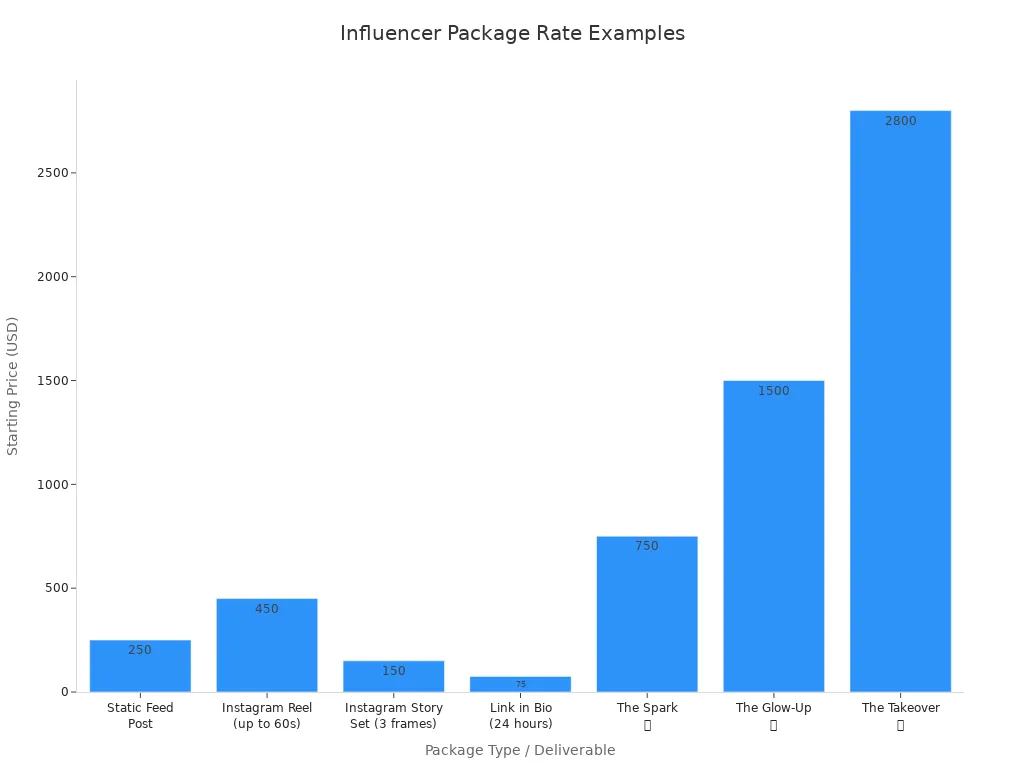
Note: Micro-influencers with 25K followers often charge $750 for a Reel, $500 for a Feed Post, and $300 for a Story set. Mid-tier creators with 150K followers may charge $8,000 for a YouTube review or $2,000 for a Reel.
By following these steps and tips, you can keep your rate card up to date and negotiate better deals.
Best Practices for Influencer Rate Cards
For Influencers
You can maximize your value by building a clear and organized Influencer Rate Card. Start with a strong introduction that includes your name, photo, and a short bio. Show your audience demographics, such as age, gender, location, and interests. Add real engagement metrics to highlight your campaign successes. List your services and deliverables, making sure each content type and platform is easy to understand. Offer different pricing models, like flat fees or package deals. Include extras, such as usage rights or exclusivity. Always add your terms and conditions.
| Component | Description |
|---|
| Your Brand & Bio | Professional introduction with name, photo, and bio highlighting niche and unique value proposition. |
|---|---|
| Audience Demographics | Key data about audience including age, gender, location, and interests. |
| Engagement Metrics | Real numbers showing average engagement rates and campaign successes. |
| Services Offered & Deliverables | Clear listing of content types and platforms, detailing what each service includes. |
| Pricing Models | Different pricing structures such as flat fee, package deals, and performance-based models. |
| Add-Ons & Extras | Additional services like usage rights, exclusivity, and content boost options. |
| Terms & Conditions | Important terms that govern the influencer's services and compensation. |
You should update your rate card often. Research industry standards to keep your rates competitive. Set clear objectives and know your target audience. Use your rate card to show professionalism and save time during negotiations.
For Brands
You can use influencer rate cards to manage your budget and set clear expectations. Start by defining your campaign goals and target audience. Use the rate card as a guide for negotiations. Look for bundled services to get more value. Ask for engagement metrics and audience size to understand the influencer’s reach. Keep your communication simple and clear. This helps you avoid misunderstandings and makes collaboration easier.
- Use the rate card as a starting point for discussions.
- Frame the rate card as a guide, allowing flexibility.
- Encourage larger campaigns by showing the value of bundles.
- Simplify decision-making with clear deliverables and pricing.
Common Pitfalls
You can avoid mistakes by keeping your rate card current and easy to understand. Do not underprice your value. Research your market and set fair rates. Always include terms and conditions to prevent disputes. Brands should avoid unclear deliverables and poor communication. Both sides must focus on engagement and audience relevance, not just follower count.
| Common Mistakes to Avoid | Description |
|---|
| No Rate Card | Brands need quick access to pricing. Without one, you might be overlooked. |
|---|---|
| Outdated Information | Keep your rates, metrics, and services current. |
| Underpricing Your Value | Don't sell yourself short. Research your market. |
| Overly Complex Pricing | Keep your rate card easy to understand. Too many options confuse brands. |
| Not Including Terms | Clear terms prevent disputes. Always include them. |
| Focusing Only on Follower Count | Brands prioritize engagement and audience relevance in 2026. |
Tip: A simple and clear approach opens up negotiations and helps both influencers and brands build strong partnerships.
You play a key role in influencer marketing when you use an Influencer Rate Card. This tool brings clarity, saves time, and helps you earn fair pay. You show professionalism and build trust with brands. Experts recommend you keep your rate card updated and use clear pricing. Brands close deals faster when you provide structured information. You should focus on transparency and strong communication to create lasting partnerships.
| Evidence Type | Description |
|---|
| Professionalism Signal | You show brands you are serious about your work. |
|---|---|
| Trust Building | Brands trust organized creators more. |
| Clarity in Pricing | Clear pricing speeds up hiring and reduces confusion. |
- Professionalism
- Time-saving
- Fair compensation
- Clarity
- Negotiation power
FAQ
What is the main purpose of an influencer rate card?
You use an influencer rate card to show brands your services and prices. This helps you set clear expectations and makes negotiations faster.
How often should you update your rate card?
You should update your rate card every month. This keeps your information accurate and shows brands your latest audience and engagement numbers.
Can you negotiate rates with brands?
Yes, you can negotiate. Use your rate card as a starting point. You can offer bundles or adjust deliverables to fit a brand’s budget.
What should you do if a brand asks for a lower price?
Tip: Stand firm on your value. You can offer fewer services or suggest a smaller package instead of lowering your price.